


-

Add: HeBei ShengShi HongBang Cellulose Technology CO.,LTD.
-

Email
13180486930@163.com -

CONTACT US
+86 13180486930

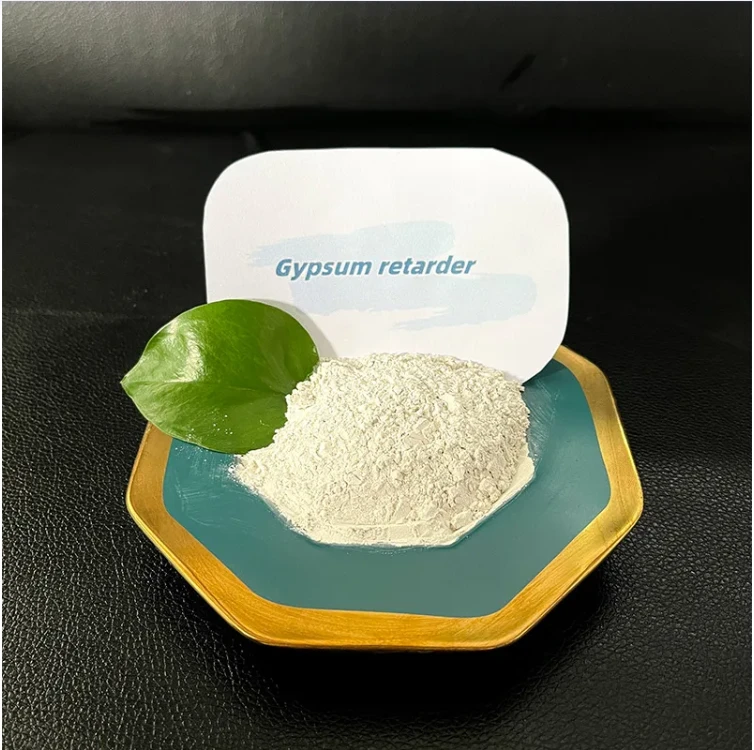


Advancements in Starch Ether Technology: Innovation in Material Science Starch ether , a refined white powder derived from natural plant sources, undergoes a sophisticated process of modification characterized by substantial etherification reactions, followed by a technique known as spray drying. At HeBei ShengShi HongBang, we've pioneered advanced manufacturing techniques to produce high-purity starch ether compounds with exceptional consistency and performance characteristics. Our starch ether solutions meet rigorous international standards across multiple industries. "Modern construction chemistry relies heavily on specialty additives like starch ether to achieve required performance parameters. The controlled modification of starch molecules significantly improves water retention, workability, and application properties in cementitious systems." - Journal of Construction Chemistry Explore Our Starch Ether Solutions Technical Parameters of Starch Ether Comprehensive Technical Specifications Parameter Standard Range Test Method Significance Viscosity (2% solution) 100-10,000 mPa·s Brookfield LVF Determines thickening efficiency pH Value 5.5-7.5 DIN EN ISO 787-9 Chemical compatibility indicator Moisture Content ≤ 8% Karl Fischer Storage stability & shelf life Degree of Substitution (DS) 0.02-0.10 Titration Method Functional group quantification Ash Content ≤ 1% DIN EN ISO 3451 Purity measurement Granulation (200 mesh) ≥ 95% Sieve Analysis Solubility and dispersion Bulk Density 450-550 g/l ASTM D1895 Dosage and handling Industry Applications of Starch Ether Construction Materials Starch ether serves as a multifunctional additive in tile adhesives, cement renders, and self-leveling compounds. Our specialized products enhance water retention, prolong open time, and improve sag resistance. Pharmaceutical Excipients In tablet formulations, starch ether functions as a superior binder-disintegrant combination. Medical-grade etherified starch enhances dissolution profiles while maintaining excellent compression characteristics. Food Processing Food-grade modified starch acts as a thickener, stabilizer, and texture modifier. Our specialized products are certified for applications in sauces, dressings, and frozen food preparations. Paper Manufacturing As a coating binder and surface sizing agent, starch ether improves paper strength, printability, and surface characteristics while reducing dusting during converting operations. Textile Processing In textile printing, our specialized starch ether serves as efficient thickeners that provide excellent color yield, sharpness of print, and easy washability. Oil Field Applications High-performance drilling fluid additives based on starch ether offer excellent fluid loss control at elevated temperatures while maintaining environmental compatibility. Starch Ether Advantages ? Sustainable Origin Derived from annually renewable starch resources, our products support sustainable material cycles. Life cycle assessments confirm the ecological advantages of starch-based chemicals versus petroleum alternatives. ? Water Retention Our patented starch ether chemistry achieves up to 30% higher water retention efficiency in construction materials compared to conventional cellulose ethers, improving hydration control in cementitious systems. ? Compatibility Enhancement Through specialized modification processes, we've developed starch ether products that demonstrate improved compatibility with modern additives including PCE superplasticizers and redispersible polymer powders. ⚖️ Cost Efficiency At equivalent performance levels, starch ether additives deliver significant formulation cost advantages while often improving application characteristics in multiple materials systems. Technical FAQs About Starch Ether What is the mechanism behind starch ether's water retention properties? Starch ether molecules undergo hydration that causes molecular chain expansion, creating a network that physically traps water through hydrogen bonding. The substitution pattern determines hydrophilic character and solution behavior. Studies show properly modified starches can hold water molecules even under mechanical pressure and low humidity conditions. How do starch ethers compare to cellulose ethers in construction applications? While both modify rheology, starch-based alternatives offer superior economics at comparable technical performance. Our research indicates specific advantages including faster dissolution, enhanced electrolyte tolerance, and different molecular weight distributions that complement cellulose derivatives. Many formulators blend both polymer types to optimize cost-performance ratios. What are the critical manufacturing parameters for consistent starch ether quality? Three parameters dominate: 1) Etherification efficiency (reaction kinetics and DS control), 2) Granulation technology achieving uniform particle size distribution, and 3) Thermal history optimization during drying phases. At HeBei ShengShi HongBang, we utilize continuous production monitoring with AI-driven process control that maintains quality variance below 0.5% over production batches. Can starch ether be used in formulations requiring thermal stability? Through specific chemical modification pathways, we produce thermal-stable grades that maintain functionality up to 90°C for extended periods. These specialty products are engineered through molecular structure optimization that reduces thermal degradation pathways. Third-party testing confirms retention of over 85% initial viscosity after 24 hours at 85°C. How is substitution degree (DS) measured, and what values are optimal? DS is quantified through both wet chemical titration and NMR techniques. For construction applications, optimal values range between 0.04-0.07 DS. Higher substitution increases solubility but may negatively impact thickening efficiency. We offer specialized testing services to match DS profiles to specific application requirements. What packaging options are available to prevent moisture degradation? We utilize triple-layer laminated sacks with polyethylene barriers offering less than 2g/m²/24h moisture transmission rates. Bulk silo systems are also available for high-volume users, featuring inert gas blanketing and humidity-controlled discharge systems to maintain optimal powder flow characteristics while preventing moisture absorption. How does starch ether impact environmental compliance profiles? Starch-based derivatives inherently offer environmental advantages including biodegradability (>95% OECD 301B), renewable resource origin, and low ecotoxicity. Our lifecycle assessments show carbon footprints reduced by 35-50% versus petrochemically derived alternatives. All products meet REACH and TSCA regulatory requirements. Industry Recognitions & References International Journal of Material Science: "Advanced Modification Techniques for Improved Starch Functionality" https://doi.org/10.1016/j.ijms.2022.102456 Construction Chemistry Review: "Novel Applications of Starch Ethers in Modern Building Materials" https://www.conchem-review.org/articles/ccr.11945 European Polymer Journal: "Structural Analysis of Industrially Modified Starch Derivatives" https://doi.org/10.1016/j.eurpolymj.2021.110812 Food Technology Magazine: "Functional Properties of Modified Food Starches in Processed Foods" https://www.ift.org/news-and-publications/food-technology-magazine Industrial Chemistry Research: "Continuous Production Processes for Starch Ether Derivatives" https://pubs.acs.org/doi/10.1021/acs.iecr.1c01234
- 40000tons

Production
- 20+years

Experience
- 5000+㎡

Acreage

-
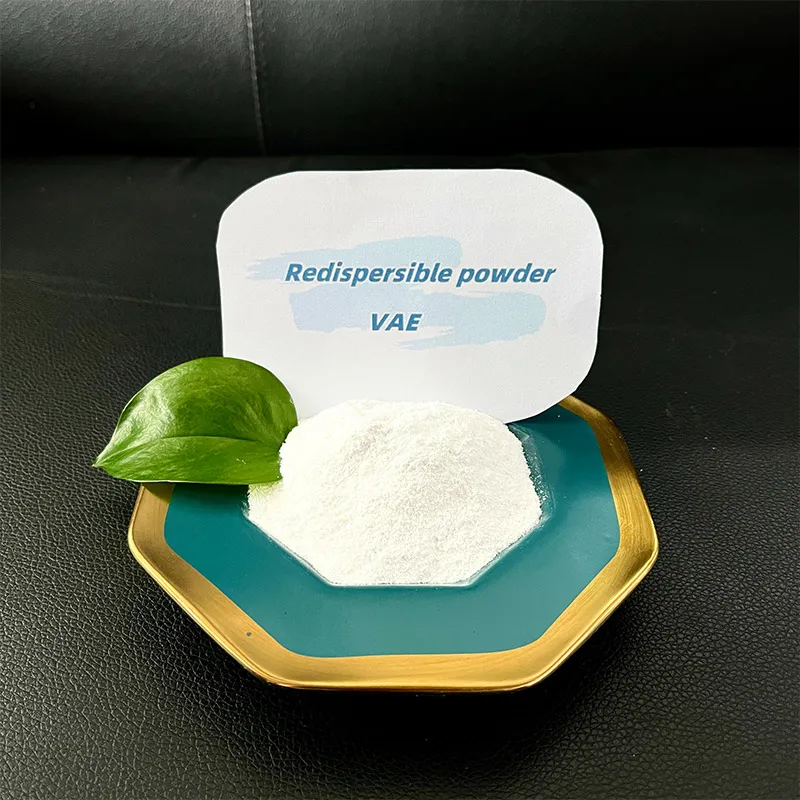
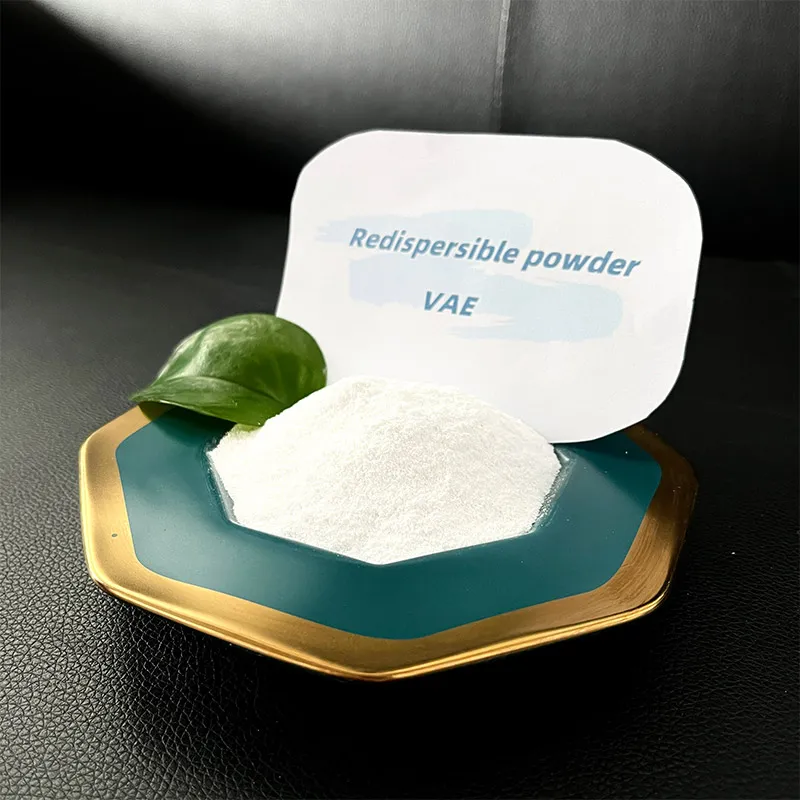
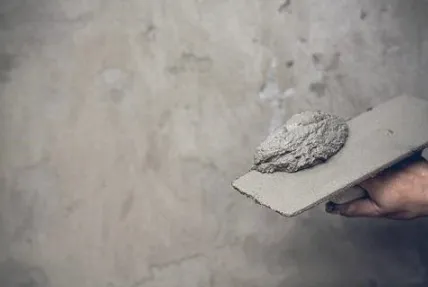
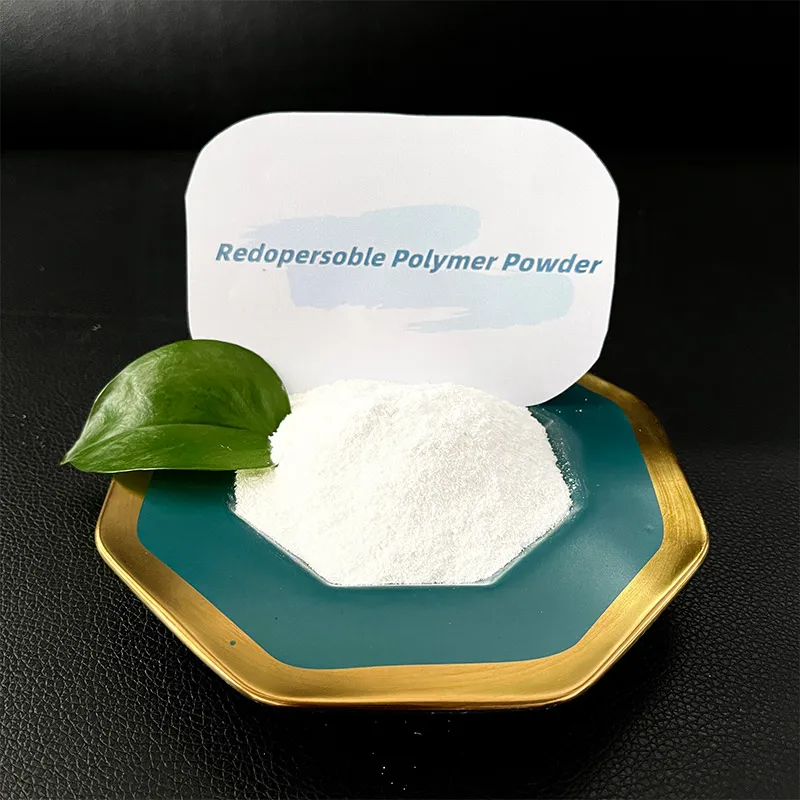
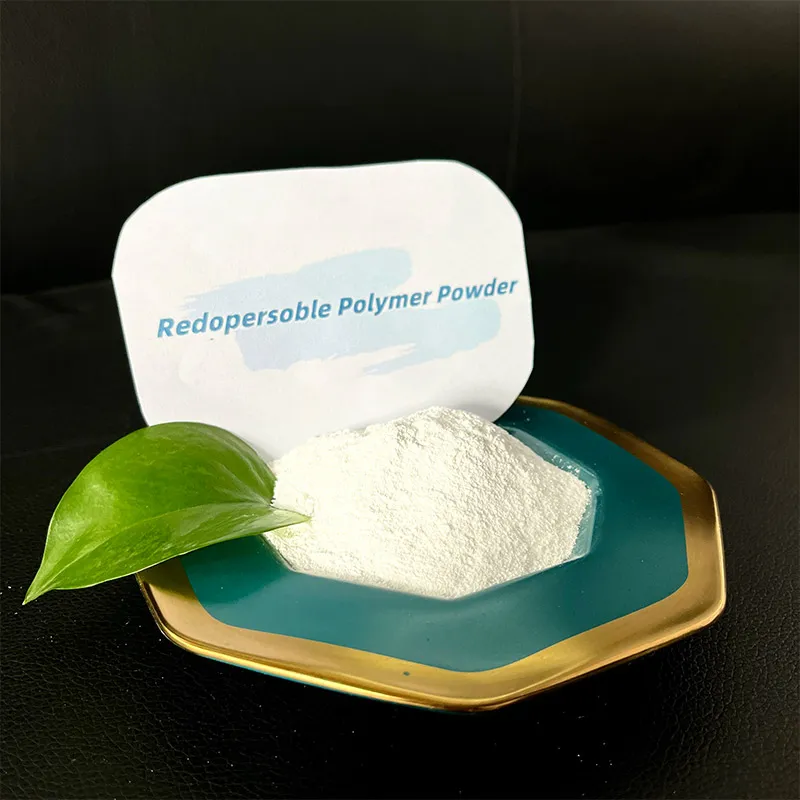
Redispersible polymer powder is an essential ingredient in many modern construction and manufacturing applications. This fine, white powder, which is derived from water-based polymer emulsions, plays a critical role in improving the adhesion, flexibility, and water resistance of a wide variety of products. Whether you’re in the construction, coatings, or adhesive industries, redispersible polymer powder can elevate the performance of your materials by enhancing their strength and durability. By incorporating redispersible polymer powder into your formulations, you can create products that stand up to the toughest environments and ensure long-lasting results. Discover the Many Uses of Redispersible Polymer Powder in Construction In the construction industry, redispersible polymer powder is a game-changer. It is commonly used in cement-based applications such as tile adhesives, plaster, and grout. By adding redispersible polymer powder to these products, you can significantly improve their flexibility, adhesion, and workability. The powder helps create a smoother, more even application while reducing cracking and increasing the overall durability of the materials. Redispersible polymer powder uses also extend to external wall insulation systems, self-leveling compounds, and dry-mix mortars. With its ability to form stable films when redispersed in water, this powder is an invaluable additive for high-performance construction materials that last. Get Competitive Redispersible Polymer Powder Price for Your Projects When sourcing redispersible polymer powder , understanding the redispersible polymer powder price is key to managing your budget efficiently. Prices can vary based on factors such as the grade of polymer, volume, and supplier, but we offer transparent and competitive pricing without sacrificing quality. Our redispersible polymer powder price ensures that you get premium products at the best possible value for your investment. Whether you're purchasing in bulk for large-scale projects or small quantities for specific formulations, we have pricing options that fit your needs. Reach out to us for more details on redispersible polymer powder price and how we can support your project with cost-effective solutions. Partner with Leading Redispersible Polymer Powder Manufacturers Choosing the right supplier is crucial when purchasing redispersible polymer powder . As one of the top redispersible polymer powder manufacturers , we offer a wide range of high-quality polymer powders designed to meet the unique needs of your business. Our products are manufactured using advanced processes to ensure consistency, performance, and reliability. By working with trusted redispersible polymer powder manufacturers like us, you can be confident that you're receiving a premium product that enhances the quality and durability of your materials. We pride ourselves on our customer-centric approach, providing fast delivery, excellent support, and the highest level of quality control. Why Choose Us for Your Redispersible Polymer Powder Needs? When it comes to sourcing redispersible polymer powder , we are the trusted partner you can rely on for consistent quality and excellent service. Our products are designed to meet the highest standards, and our redispersible polymer powder price is both competitive and fair. As leading redispersible polymer powder manufacturers , we offer custom solutions to suit your specific applications, whether in construction, adhesives, or coatings. With years of experience in the industry and a commitment to sustainability and innovation, we ensure that every product we deliver will exceed your expectations. Choose us for your redispersible polymer powder needs and take your products to the next level of performance and reliability.
-
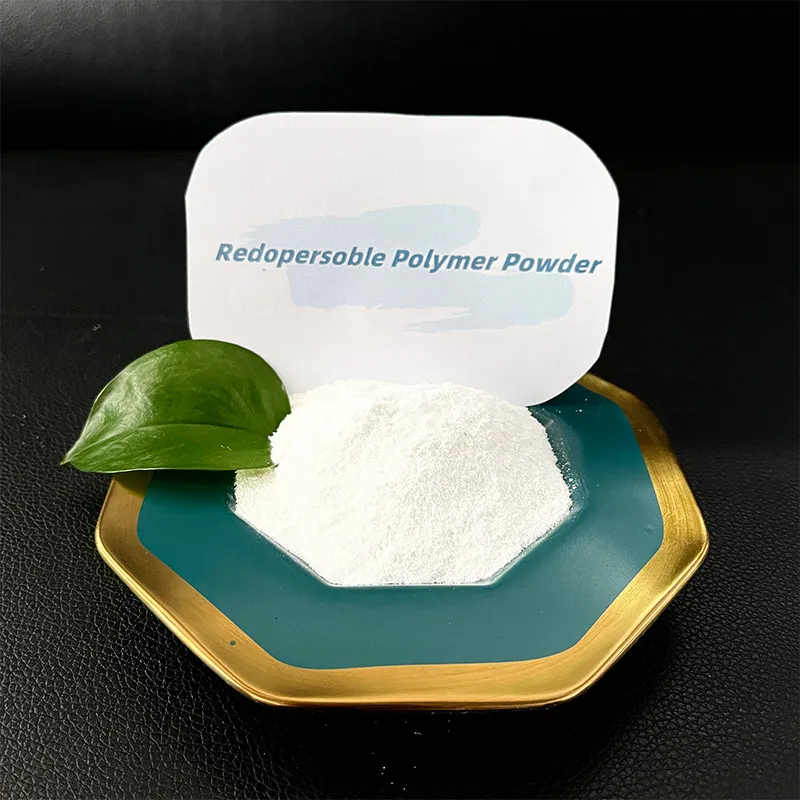
Hydroxypropyl distarch phosphate (HDP) is an essential modified starch used across a variety of industries , from food production to pharmaceuticals. Its unique properties make it a preferable choice for manufacturers looking to improve the texture, stability, and shelf-life of their products. This article delves into the multifaceted benefits and applications of HDP, drawing on the expertise of industry professionals and real-world experiences to provide a comprehensive understanding. At its core, hydroxypropyl distarch phosphate is a chemically modified starch made by introducing hydroxypropyl groups into the starch molecule. This modification grants the starch increased stability against heat, acid, and shear, making it invaluable especially in processes involving high temperatures or high shear mixing. For food scientists and manufacturers aiming to enhance the quality of processed foods, HDP offers several advantages. It significantly improves the texture and mouthfeel of culinary products. In sauces and gravies, for example, HDP functions as a thickening agent that withstands the rapid heating and cooling cycles often encountered during production or usage. The stability provided by HDP ensures that products retain their desirable consistency over time, thereby extending shelf life and maintaining consumer satisfaction. Moreover, HDP's compatibility with other ingredients is a significant boon for food formulation. It allows for seamless integration into a wide array of recipes, providing uniformity and consistency without compromising flavor or aroma. From baked goods that require moisture retention to dairy products needing a specific creamy texture, the versatility of HDP is crucial. The expertise in producing hydroxypropyl distarch phosphate extends beyond its functional benefits. Producers must adhere to stringent safety and quality standards to ensure that the modified starch is safe for consumption. Regulatory bodies such as the FDA and EFSA approve the use of HDP within specific limits, attesting to its safety when used accordingly. Expert manufacturers implement rigorous quality control processes, analyzing each batch to affirm compliance with these standards, thereby instilling trust in their product. hydroxypropyl distarch phosphate When addressing the pharmaceutical industry, HDP is especially important. It serves as a disintegrant in tablet formulations, aiding in the efficient release of active ingredients once ingested. This functionality is vital for the efficacy of many medications, where precise control over disintegration time affects overall therapeutic effectiveness. Real-world experiences emphasize the transformative power of HDP in product development. Experienced R&D teams often recount how the introduction of this starch into their formulations allowed them to overcome significant challenges, such as achieving the desired viscosity in low-temperature processing or stabilizing emulsions where traditional starches failed. Establishing trustworthiness in HDP's use involves comprehensive documentation and transparency about the sourcing, processing, and application methodologies. Industry leaders in starch modification frequently engage in partnerships with academic institutions and research organizations to remain at the forefront of innovation and application. In practice, using HDP requires understanding its interaction with other components in formulations. Experts recommend starting with small experimental batches to fine-tune the quantity needed for desired outcomes. Experience has shown that while HDP is robust, achieving perfect results may require some tailoring based on the specific matrix in which it is used. In conclusion, hydroxypropyl distarch phosphate is much more than just a modified starch; it's a cornerstone additive that underpins the efficiency and quality of numerous products across diverse industries. Its verified safety, coupled with substantial expert backing, renders it a trustworthy component in the relentless pursuit of product excellence. By leveraging both the experience and profound expertise surrounding HDP, manufacturers can significantly enhance the quality, safety, and appeal of their offerings, ensuring consumer satisfaction and fostering long-term success.
advantages
-

200000 Viscosities
Excellent product
We can produce pure products up to 200,000 viscosities
-

40000 tons
High yield
We don’t stop production all year round, and the annual output can reach 40,000 tons
-

24 hours
Quality service
We provide 24-hours online reception service, welcome to consult at any time
———— Inquiry Form
Schedule A services
-
 masilla_de_celulosa_para_madera
Oct . 25, 2025
Polypropylene fibers have emerged as a revolutionary material in the field of concrete enhancement, -
 kizuia_plasta
Oct . 25, 2025
In today’s fast-paced manufacturing and construction industries, the demand for sustainable and cost -
 uses_of_crumb_rubber_powder
Oct . 25, 2025
Exploring the HPMC Chemical Structure A Scientific Perspective The chemical structure of Hydroxyprop


